10 Must Know Tips for Using Dumb Bells Effectively for Your Workouts?
Incorporating Dumb Bells into your workout routine can significantly enhance your fitness journey. According to the International Health, Racquet & Sportsclub Association (IHRSA), resistance training is crucial for building muscle, increasing metabolism, and improving overall health. Dumb Bells, as a versatile tool, offer both beginners and seasoned athletes a practical way to achieve their fitness goals.
Studies indicate that strength training with Dumb Bells not only builds muscle but also promotes bone density, which can counteract age-related decline. A report from the American College of Sports Medicine shows that just two to three sessions per week can yield significant strength improvements. However, many overlook proper techniques, possibly leading to injuries or stagnation in progress.
Using Dumb Bells effectively requires understanding the right techniques and exercises. It's essential to challenge oneself without overexertion. For instance, varied grip positions can target different muscle groups and maximize results. Remember, finding the balance between intensity and proper form is key. It's normal to struggle with this at first, but learning will lead to more productive workouts in the long run.
Understanding the Basics of Dumbbell Training for All Fitness Levels
Dumbbell training is accessible for everyone, regardless of fitness levels. They are versatile tools that can enhance strength, coordination, and endurance. A basic understanding is key to maximizing their benefits. Start with the right weight. Selecting dumbbells that challenge you without risking injury is essential.
Beginners should focus on form over weight, as this builds a solid foundation.
Incorporate compound movements into your routine. Exercises like squats, deadlifts, and rows engage multiple muscle groups. You’ll not only see better results but will also develop functional strength for daily activities. Remember to pay attention to your body. If something feels off, don’t push through the pain. Modify your workouts and listen to your limits.
Consistency is crucial, yet many struggle with it. Setting realistic goals can help maintain motivation. Tracking progress, even small gains, reinforces your commitment. Don't be afraid to adjust your plan as needed. Reflect on what works and what doesn’t. Embrace the journey, and remember that fitness is a personal experience.
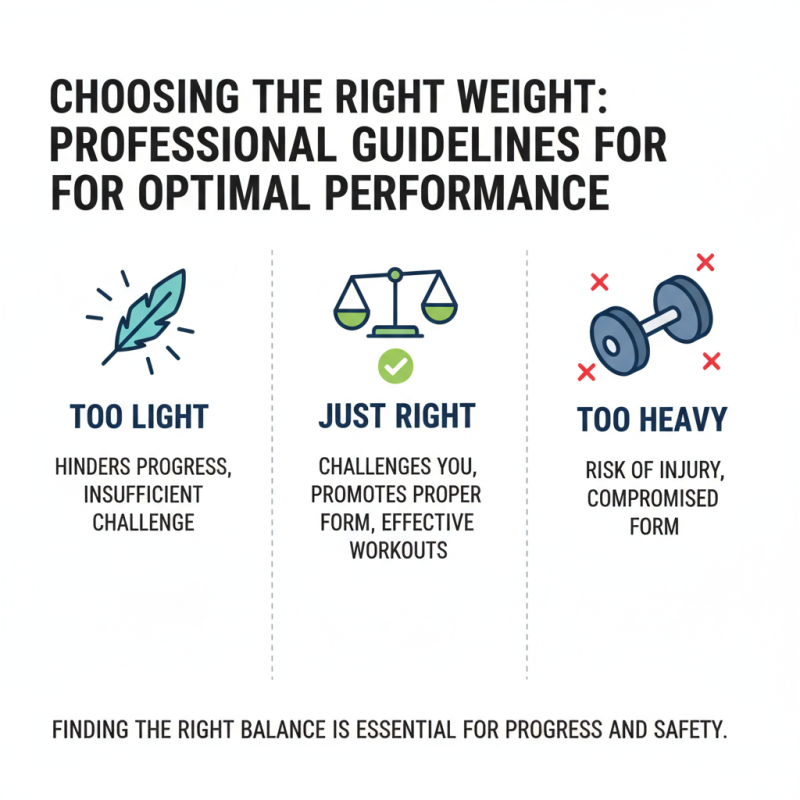
Choosing the Right Weight: Professional Guidelines for Optimal Performance
Choosing the right weight for your dumbbells is crucial for effective workouts. It’s important to select a weight that challenges you but still allows for proper form. Many beginners choose dumbbells that are too light, which can hinder progress. On the contrary, weights that are too heavy may lead to injury. Finding the right balance is essential.
When testing weights, start with a lighter set. Perform basic exercises like bicep curls or tricep extensions. Assess your form and how many repetitions you can manage comfortably. If you can easily complete more than 15 reps without compromising technique, it’s time to increase the weight. However, if your form starts to falter, you might be lifting too much.
Listen to your body. Everyone's strength differs, and progress can be inconsistent. It’s okay to feel challenged but not overwhelmed. Adjust weights as you become stronger. Remember, effective training involves patience and gradual progression. It’s not always about lifting heavy; it’s about lifting smart. Tracking your progress can provide valuable insights into your performance and improvements over time.
Essential Techniques for Enhancing Form and Reducing Injury Risk
Using dumbbells effectively can greatly enhance your workouts. To avoid injuries, maintaining proper form is crucial. Start with a lighter weight. This allows you to focus on your movements. If you can't perform an exercise with good form, it's too heavy.
Engaging your core stabilizes your body. This prevents unnecessary strain on your back. Always align your joints properly. For example, during bicep curls, keep elbows close to your body. This maximizes muscle engagement and minimizes risk. It’s easy to underestimate the importance of technique.
Listen to your body. If you feel sharp pain, stop. Pain isn’t always an indicator of progress. Track your workouts and reflect on your form. Consider asking for feedback from experienced lifters. They might spot flaws you can't see. Training is a continuous journey. Improvement comes with patience and mindfulness.
10 Must Know Tips for Using Dumb Bells Effectively for Your Workouts
This chart illustrates the effectiveness of various dumbbell exercises based on user feedback and injury reporting. The data reflects ten popular dumbbell exercises and their perceived safety ratings on a scale from 1 to 10, where 10 represents the safest and most effective form.
Incorporating Dumbbell Variations for Comprehensive Muscle Development
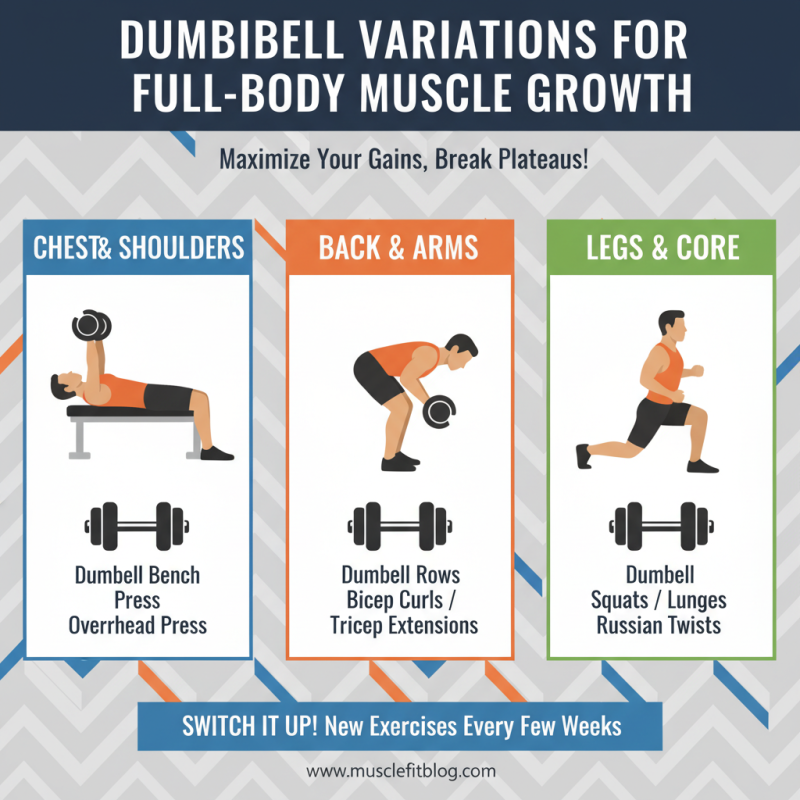
Incorporating dumbbell variations into your workout routine can lead to enhanced muscle development. Different exercises target distinct muscle groups, maximizing your efforts. For example, the dumbbell bench press works the chest, while dumbbell rows focus on the back. It’s essential to switch up your routine every few weeks to prevent plateaus.
Using variations like dumbbell lunges or shoulder presses adds complexity to your workouts. These movements engage stabilizing muscles, offering functional strength. It’s crucial to maintain proper form. Many lifters struggle with technique and risk injury. Slow down and focus on controlled movements. Check your posture in the mirror or record yourself for reflection.
Remember, not every workout will feel perfect. Some days, strength may feel lacking, and form might slip. This is part of the progress process. Embrace those moments and learn from them. Adjust weights to match your current abilities and keep pushing forward. The journey to comprehensive muscle development is gradual and requires patience.
Tracking Progress: Data-Driven Approaches to Improve Your Workouts
Tracking your progress is essential for growth in any workout routine. When using dumbbells, data-driven approaches can enhance your effectiveness. Keep a workout journal. Record the weights you lift, the number of sets, and reps for each exercise. This helps identify patterns and track improvements over time. Analyzing this data allows for informed adjustments to your regimen.
Another useful tip involves setting measurable goals. Instead of vague objectives like "lift heavier," specify the weights and timelines. This makes your targets more achievable and allows for focused progress tracking. You might find that you plateau. Adjust your goals based on your recorded data. It’s okay to take a step back, reflect, and tweak your approach when necessary.
Experiment with different exercises. Not every move suits every individual. Keep records of your experiences with various dumbbell routines. This can highlight what works and what needs refining. Monitor not just your lifting, but also your recovery and how your body feels. It’s all part of a holistic understanding of your fitness journey.
10 Must Know Tips for Using Dumb Bells Effectively for Your Workouts
| Tip Number |
Tip |
Expected Results |
Tracking Method |
| 1 |
Proper Warm-up |
Improved Performance |
Heart Rate Monitor |
| 2 |
Start with Lighter Weights |
Better Form |
Rep Count Tracking |
| 3 |
Maintain Proper Form |
Injury Prevention |
Video Analysis |
| 4 |
Use a Full Range of Motion |
Higher Muscle Activation |
Workout Log |
| 5 |
Incorporate Variety |
Balanced Development |
Program Tracking |
| 6 |
Rest and Recover |
Muscle Growth |
Recovery Log |
| 7 |
Stay Hydrated |
Improved Stamina |
Hydration Log |
| 8 |
Track Your Progress |
Motivation Boost |
Fitness App |
| 9 |
Set Realistic Goals |
Sustained Motivation |
Goal Tracker |
| 10 |
Consult a Trainer |
Expert Guidance |
Session Notes |