Essential Tips for Using Rubber-Coated Dumbbells Effectively for Workouts?
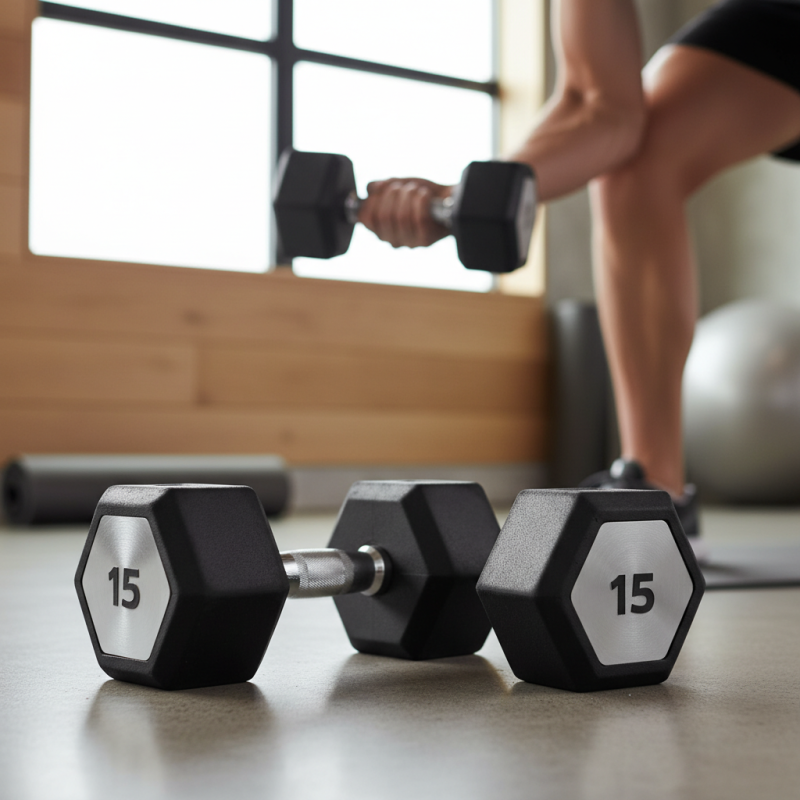
Rubber-Coated Dumbbells are a popular choice among fitness enthusiasts. Their design makes them user-friendly and durable. These weights are less likely to damage floors or equipment, adding to their appeal.
Using Rubber-Coated Dumbbells effectively can enhance your workouts significantly. It’s important to understand proper form and technique. Many people struggle with grip or balance, which can lead to injuries. Experimenting with different weights is key. Choosing the right weight affects your performance and prevents frustration.
Incorporating these dumbbells into your routine can diversify your exercises. However, it’s easy to fall into a monotonous pattern. Changing your routine can rejuvenate your workout regimen. Trying new exercises with Rubber-Coated Dumbbells can keep motivation high and lead to better results.
Understanding the Benefits of Rubber-Coated Dumbbells in Workouts
Rubber-coated dumbbells are a popular choice for many fitness enthusiasts. They offer several advantages that can enhance your workout experience. The rubber coating protects your floors from damage. It also reduces noise during your training sessions. A quieter gym environment can help you focus better.
Another significant benefit is the grip. Rubber-coated dumbbells usually feature a textured surface. This allows for a more secure grip, even during perspiration. A solid grip enhances safety. You can push your limits without worrying about dropping weights. However, improper use can lead to injuries. Always maintain proper form and start with lighter weights.
Some users might find the coating can wear out over time. It can peel or become sticky, impairing usability. If this happens, consider cleaning or replacing your dumbbells. Reflecting on your workout routine is crucial, too. Are you challenging yourself enough? Evaluate your goals regularly to maintain progress.
How to Choose the Right Weight for Your Fitness Level
Choosing the right weight for rubber-coated dumbbells is crucial for effective workouts. Start by assessing your current fitness level. If you’re a beginner, lighter weights are ideal for building strength without risking injury. A pair of dumbbells weighing between 5 to 10 pounds can help you ease into your routine. It’s important to ensure that you maintain proper form while lifting.
As you progress, consider gradually increasing the weight. Look for weights that feel challenging but still allow you to complete your sets. Remember, it’s better to start lighter than to struggle with heavy weights that could lead to improper technique. It’s not uncommon to feel frustrated with your progress. Adjusting your weights is a natural part of the journey.
Listen to your body. If a weight feels too easy, don’t hesitate to increase it. Conversely, if you find yourself struggling, reflect on whether your chosen weight is suitable. Balancing the intensity of your workouts with appropriate weight choices will yield better results over time. Remember, the goal is steady improvement, not immediate perfection.
Essential Tips for Using Rubber-Coated Dumbbells Effectively for Workouts
This chart illustrates the recommended weight ranges for rubber-coated dumbbells based on different fitness levels. Proper weight selection is critical for maximizing workout efficiency and ensuring safety.
Essential Techniques for Proper Dumbbell Grip and Form
When using rubber-coated dumbbells, grip and form are crucial. Start by ensuring your grip is firm. Wrap your fingers around the handle. Avoid holding too loosely, as it can lead to dropped weights and potential injuries. Pay attention to your thumb placement as well. A strong thumb grip stabilizes your hand, preventing slippage during movements.
Body positioning matters too. Stand with feet shoulder-width apart. Keep your elbows close to your body when performing curls. This isolates the biceps effectively. Sometimes, it’s easy to let elbows flare out, but that’s a common mistake. It reduces effectiveness and increases the chance of strain. Aim for controlled movements throughout your workout.
Focus on breathing techniques. Inhale as you lower the weights and exhale while you lift. Many forget to breathe properly during their routine. This can lead to fatigue. Stay mindful of your form, too. Mirrors can be helpful for checking posture. Don't ignore small discrepancies; they can lead to larger issues over time. Adjust your position as needed for optimal results.
Incorporating Rubber-Coated Dumbbells into Your Workout Routine
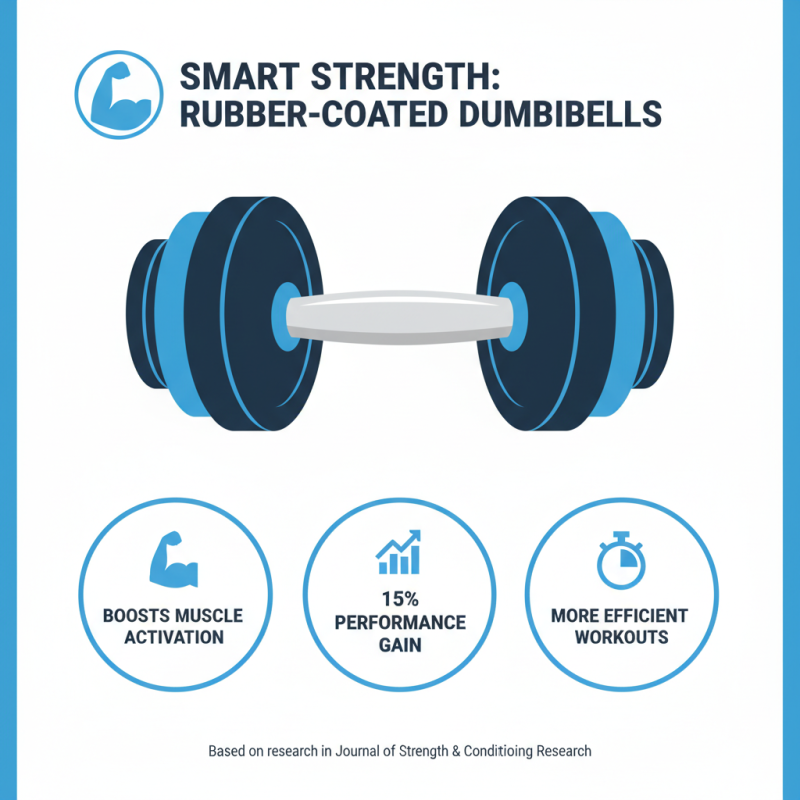
Incorporating rubber-coated dumbbells into your workout routine can enhance strength training efficiency. Research indicates that free weights, including rubber-coated options, can increase muscle activation. In fact, a study published in the Journal of Strength and Conditioning Research showed that using dumbbells can improve overall performance by 15% compared to machines.
When starting with rubber-coated dumbbells, it's crucial to focus on form. Common errors include lifting too heavy too soon. This can lead to injuries and decreased motivation. A better approach involves choosing lighter weights. Aim for a range that allows for 8 to 12 repetitions per set, focusing on control and stability. Form should always be prioritized over weight.
While rubber-coated dumbbells offer benefits, they should not replace varied workout equipment. Integrating them with resistance bands and kettlebells can provide a well-rounded program. Each tool targets different muscle groups and enhances functional fitness. Pay attention to your body’s feedback. If you’re feeling fatigued or sore, adjust your routine accordingly. This awareness is essential for sustainable progression.
Common Mistakes to Avoid When Using Rubber-Coated Dumbbells
When using rubber-coated dumbbells, many people make common mistakes that hinder their progress. One major error is using improper form. It's easy to get caught up in lifting heavier weights. However, sacrificing form can lead to injuries. Always focus on technique over weight.
Another mistake is neglecting to warm up. Jumping straight into intense workouts can strain your muscles. Spend a few minutes doing dynamic stretches. This prepares your body for movement. Skipping this step can lead to muscle tightness and soreness.
In addition, some individuals fail to track their workouts. Not noting progress can slow your improvement. Keep a workout journal. This helps in recognizing patterns and making adjustments. Lastly, avoid overtraining. Give yourself rest days. Too much can lead to burnout. Listen to your body. Small adjustments can lead to significant benefits in your fitness journey.