How to Choose the Best Dumbbell Rack for Your Home Gym?
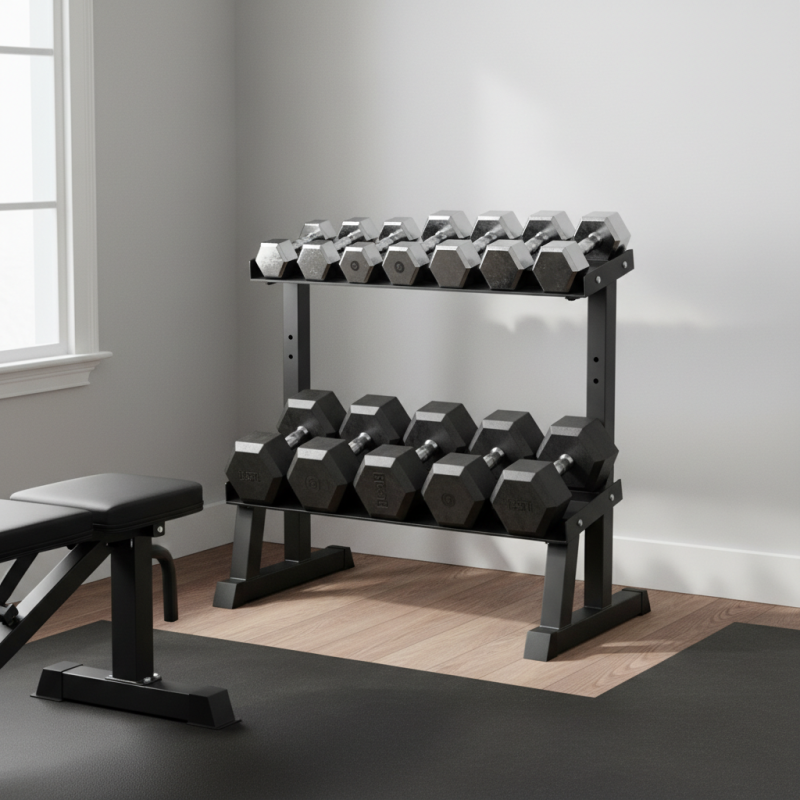
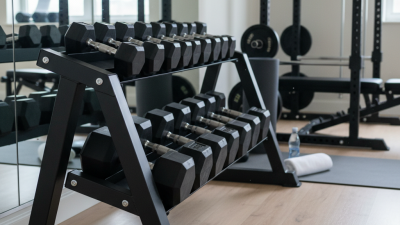
When setting up a home gym, a sturdy Dumbbell Rack is essential. It helps keep your weights organized and accessible. According to fitness expert Mike Matthews, "A well-chosen Dumbbell Rack can transform your workout space." This quote highlights the importance of selecting the right rack for your needs.
Selecting the ideal Dumbbell Rack requires attention to detail. Consider the space you have available. A compact design is crucial for smaller areas. Look for stability and durability in materials. A well-designed rack will prevent accidents and keep your weights secure.
Many buyers overlook weight capacity. Choosing a rack that can support your full collection is vital. It's easy to underestimate this aspect. Additionally, consider the ease of access to your dumbbells. A poorly designed rack can lead to frustration during workouts. Reflect on these details to enhance your home gym experience.
Factors to Consider When Choosing a Dumbbell Rack
When choosing a dumbbell rack for your home gym, several factors warrant attention. The available space is crucial. Measure your area to ensure the rack fits comfortably. Consider its footprint and height. You don’t want to overcrowd your gym with bulky equipment. An ideal rack should blend seamlessly into your setup.
Weight capacity is another critical aspect. Not all racks hold the same amount of weight. Some may sag under heavier dumbbells. Look for a sturdy construction that can support your collection as it grows. A rack should not only look good but also be durable.
Think about the design as well. A well-designed rack allows easy access to your dumbbells. However, some designs may not work for everyone. What looks good might not be practical. Reflect on how often you use certain weights. If you frequently switch, adjustable features can be a game-changer. Balancing aesthetics and functionality can be tricky.
Evaluating Space Requirements for Your Home Gym
When planning a home gym, space is a crucial factor. You need to assess the available area accurately. The average home gym spans around 200-300 square feet. However, you don't always need that much. A well-organized corner can serve your needs. Consider measuring the area where you plan to set up your dumbbell rack.
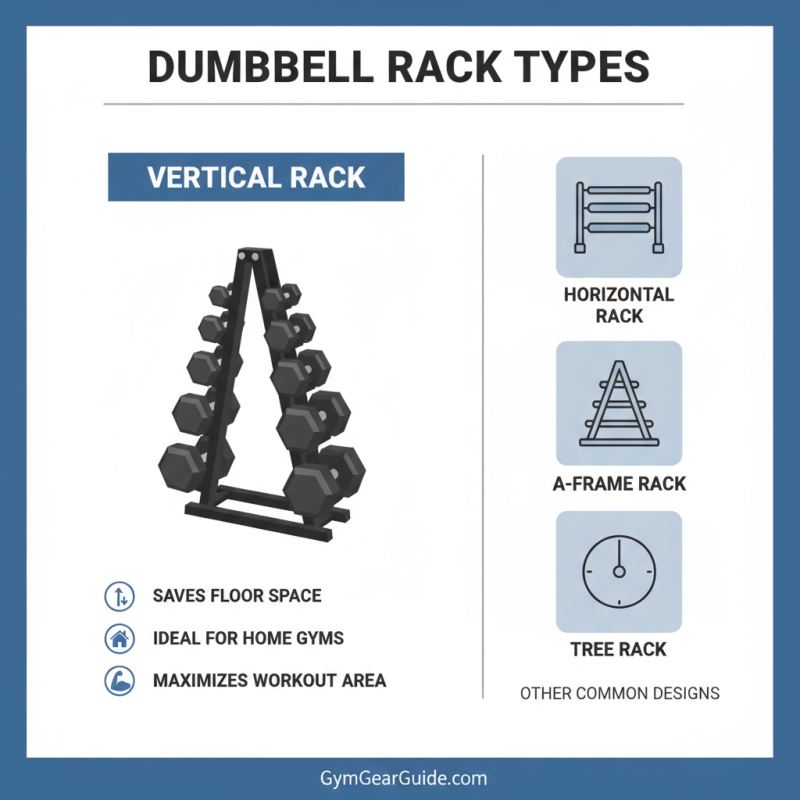
To maximize space, choose a vertical rather than a horizontal rack. A vertical solution can save floor area while still holding multiple weights. Always leave sufficient room for safe lifting. A good rule is to maintain at least three feet of clearance around the rack. This prevents accidents and allows for movement.
Tip: Visualize your setup before buying. Use tape on the floor to outline the dimensions. This helps in understanding how the equipment fits. Pay attention to the height and weight capacity of the rack. Make sure it can accommodate your current and future dumbbell collection.
Remember, your gym should feel spacious and not cramped. It’s easy to overestimate how much you can fit in. Reassessing your plan to fit the space efficiently can be an ongoing process. Think about functional storage too. A clutter-free environment fosters a more enjoyable workout atmosphere.
How to Choose the Best Dumbbell Rack for Your Home Gym? - Evaluating Space Requirements for Your Home Gym
| Rack Type |
Size (L x W x H in inches) |
Weight Capacity (lbs) |
Storage Capacity (Pairs) |
Recommended Space (sq ft) |
| Vertical Rack |
24 x 24 x 72 |
300 |
6 |
10 |
| Horizontal Rack |
48 x 24 x 36 |
600 |
10 |
12 |
| Adjustable Rack |
36 x 36 x 60 |
500 |
8 |
15 |
| Compact Rack |
32 x 18 x 36 |
200 |
4 |
8 |
Material and Durability Considerations for Dumbbell Racks
When selecting a dumbbell rack, material and durability are crucial. A well-built rack should withstand the test of time and heavy weights. Steel frames are often favored due to their strength. According to a fitness equipment report, racks made from heavier gauge steel can support more weight without bending. However, lighter materials can rust or corrode more quickly, especially in humid environments.
Consider the finish of the rack as well. Powder coating can add an extra layer of protection. Some racks with plastic components may look appealing but could fail under stress, leading to potential injuries. Users must assess how much weight they plan to store. A rack that holds 500 pounds must be sturdier than one that supports 200 pounds. Remember, if the rack wobbles, it's not a reliable option.
Tip: Check user reviews for insights on durability in real-life use. You might find recurring comments about specific weaknesses.
Look out for features like rubber feet. They provide stability and protect floors. Investing in a high-quality rack may save costs in the long run. Maintenance is key too. Regularly inspect for any signs of wear or damage. This simple habit enhances longevity.
Tip: Always ask yourself, is it built to last? If you feel unsure during your inspection, there might be a reason to reconsider your choice.
Budgeting for Your Dumbbell Rack: Cost vs. Quality
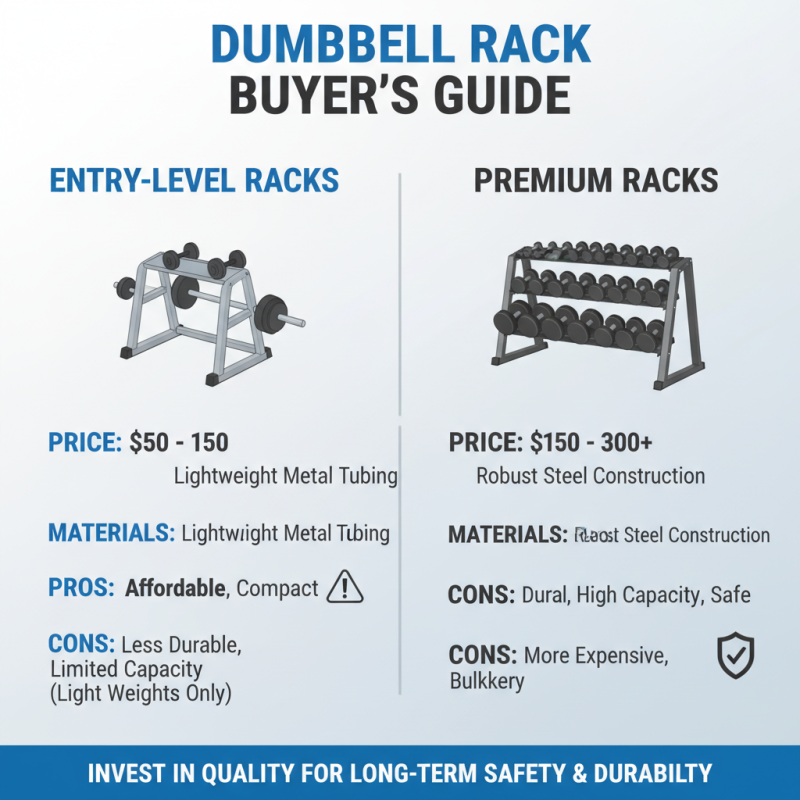
When budgeting for a dumbbell rack, it’s essential to balance cost and quality. Reports indicate that a sturdy rack can range from $50 to $300. This wide price gap often reflects material quality, durability, and storage capacity. Many entry-level racks are made from lightweight metals. While affordable, they may not withstand heavy weights over time. In contrast, premium options often feature robust steel construction. This investment pays off in durability and safety.
Tips: Consider investing a bit more for racks that come with safety features. A better rack ensures your weights are secure and minimizes risks in your home gym. Many experts suggest opting for modular designs. These often provide flexibility as your weight collection grows, offering better long-term value.
Quality matters in a dumbbell rack. Cheap models may wobble or fail, leading to equipment damage. A 2022 industry report highlighted that 70% of gym owners prioritize durability. They reported fewer long-term costs by choosing higher-quality equipment upfront. Reflect on your needs and future fitness goals as you make this investment. Don’t forget to check weight limits. Some racks can only hold a specific weight, which might not suit your collection.